DeWalt DCS386 Reciprocating Saw vs Makita 18V X2 LXT XRJ06 Recipro Saw
vs
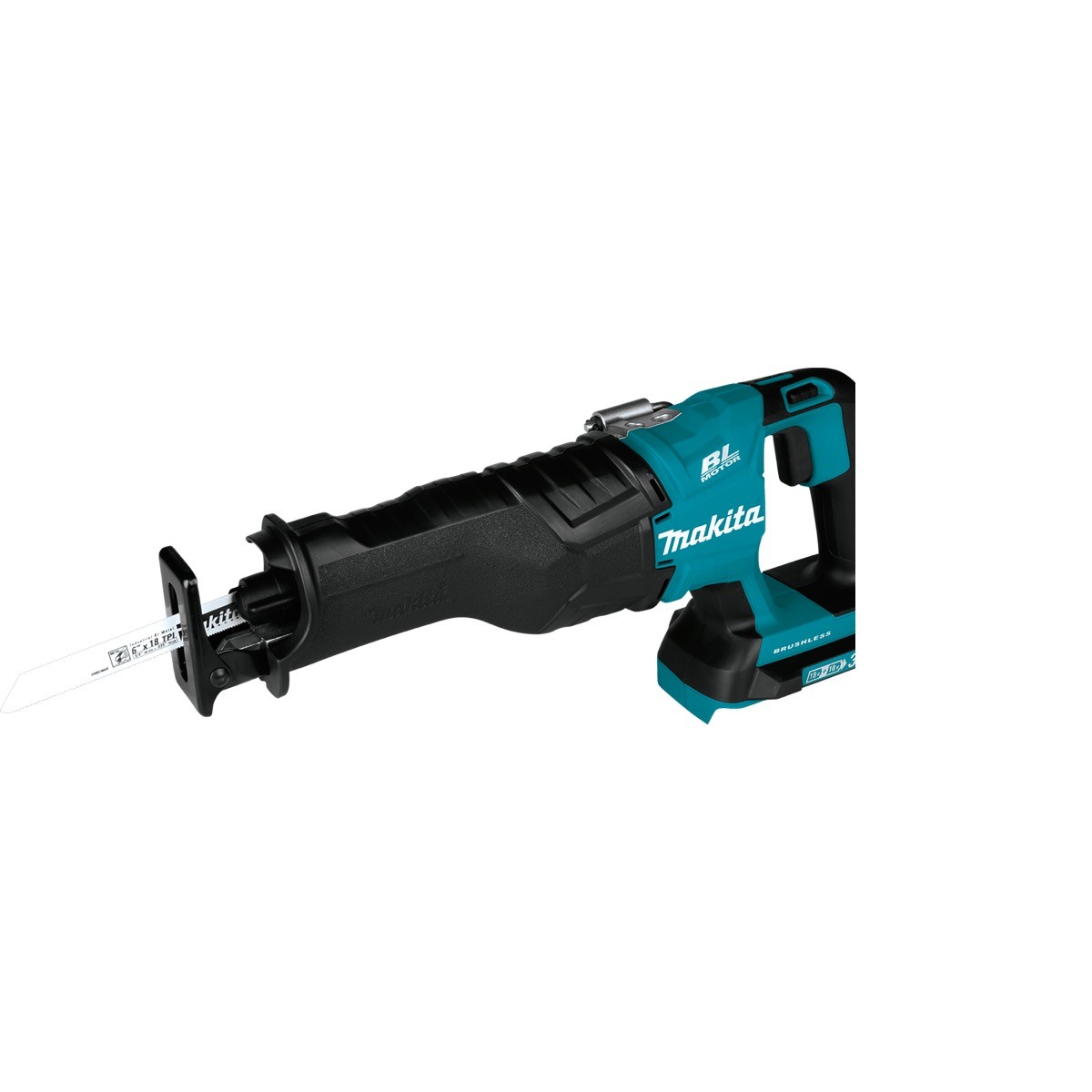
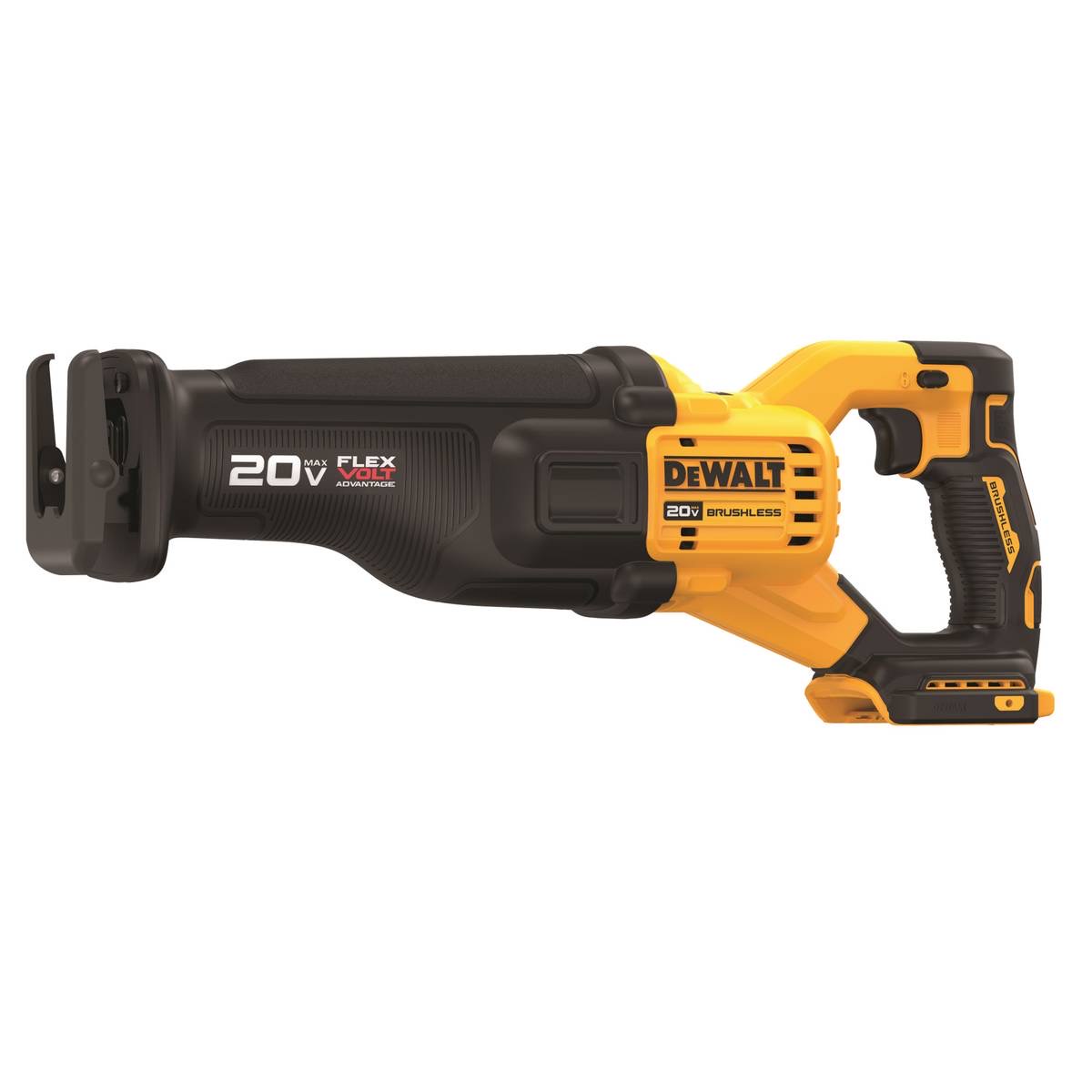
Quick take: The Makita 18V X2 LXT XRJ06 Recipro Saw costs $5 less bare; the DeWalt DCS386 Reciprocating Saw is lighter (7.7 vs 10.2 lbs); they live on different battery platforms (DeWalt 20V Max vs Makita 18V LXT), so the deciding factor is usually which batteries you already own.
| Spec | DeWalt DCS386 Reciprocating Saw | Makita 18V X2 LXT XRJ06 Recipro Saw |
|---|---|---|
| Price (bare tool) | $279 | $274 |
| Kit Price | $399 | $429 |
| Rating | 4.7★ (992) | 4.7★ (25) |
| Category | Reciprocating Saw | Reciprocating Saw |
| Battery Platform | DeWalt 20V Max | Makita 18V LXT |
| Voltage | 20V | 36V |
| Motor | Brushless | Brushless |
| Weight | 7.7 lbs (bare) | 10.2 lbs (with 2 batteries) |
| Released | 2021 | 2016 |
| Stroke Length | 1-1/8 in | 1-1/4 in |
| Strokes/min | 0-3,000 SPM | 0-2,300 / 0-3,000 (2-speed) |
| Blade Change | Keyless lever | Tool-less |
Pros & cons
DeWalt DCS386 Reciprocating Saw
- ✓FlexVolt Advantage is real — with a 9Ah FlexVolt pack it cuts with the big 60V saws while staying a 20V tool.
- ✓The lever-action keyless clamp allows flush cutting and blade flips for upside-down work.
- ✓Tool Connect chip bay makes it fleet-trackable, a genuine differentiator for commercial crews.
- ✓Backward compatible with every 20V Max battery, so it slots into any existing yellow kit.
- ✓Owners praise the trigger's low-speed control for careful cuts around pipes and wires.
- ✓The 4-position blade clamp accepts blades in multiple orientations for flush and plunge cuts.
- ✗At 7.7 lbs bare it is the heaviest 18V-class recip saw here — nearly a pound over the Milwaukee 2821.
- ✗The ~$279 bare street price is also the highest in class, and you need a pricey FlexVolt battery to unlock the headline power.
- ✗1-1/8 in stroke is shorter than the 1-1/4 in Milwaukee, Makita, and Ryobi offer, so fewer teeth engage per stroke.
- ✗Without a FlexVolt pack the performance is merely mid-pack, which frustrates owners who bought on the headline spec.
- ✗No orbital action for faster wood demolition.
- ✗No rafter hook — a baffling omission owners fix with aftermarket clips.
Makita 18V X2 LXT XRJ06 Recipro Saw
- ✓Corded-class demolition power from two 18V LXT packs you likely already own — no new battery platform buy-in.
- ✓Outstanding runtime — Makita rates up to 155 cuts in 2x10 SPF per charge on two 5.0Ah packs, and owners report cutting for hours with charge to spare.
- ✓Refined crank mechanism noticeably tames vibration and blade deflection — one of the smoother full-size recips to run all day.
- ✓2-speed brushless motor (0-2,300 / 0-3,000 SPM) lets you match stroke speed to metal versus wood work.
- ✓Tool-less blade change gets consistent owner praise for being genuinely quick and easy.
- ✓Electric brake plus an LED with preglow/afterglow are standard, and XPT sealing with Star Protection guards against dust, water, and overload.
- ✓Pro Tool Reviews gave the XRJ06 the top value score in its 'Super Saw' class — near-flagship performance for less money than 36V rivals.
- ✓Retractable tool hook secures the saw between cuts.
- ✗No orbital action — the straight-only stroke gives up wood-demo speed to orbital rivals like Milwaukee's Super Sawzall and DeWalt's FlexVolt saws.
- ✗X2 means two charged packs to run — one dead battery sidelines the whole saw, and packs drain in pairs.
- ✗10.2 lbs with batteries is a workout overhead or in tight crawlspaces.
- ✗Raw cutting speed trails the newest 36V/60V flagships in head-to-head tests — competitive, but not the fastest.
- ✗The design dates to 2016; Makita's newest recip-saw engineering has moved to the separate 40V XGT platform.
- ✗Bare-tool street price has crept from about $219 at launch to $274-$294 in mid-2026.
- ✗Most buyers opt for the cheaper single-battery XRJ05 instead (retailers estimate 5:1 to 10:1), making the X2 premium hard to justify for occasional use.
- ✗Thin retailer review base (25 reviews on Home Depot's bare-tool listing) compared to rivals with thousands.