DeWalt FlexVolt DCS578 Circular Saw vs Bosch 18V ProFactor GKS18V-25GC Circular Saw
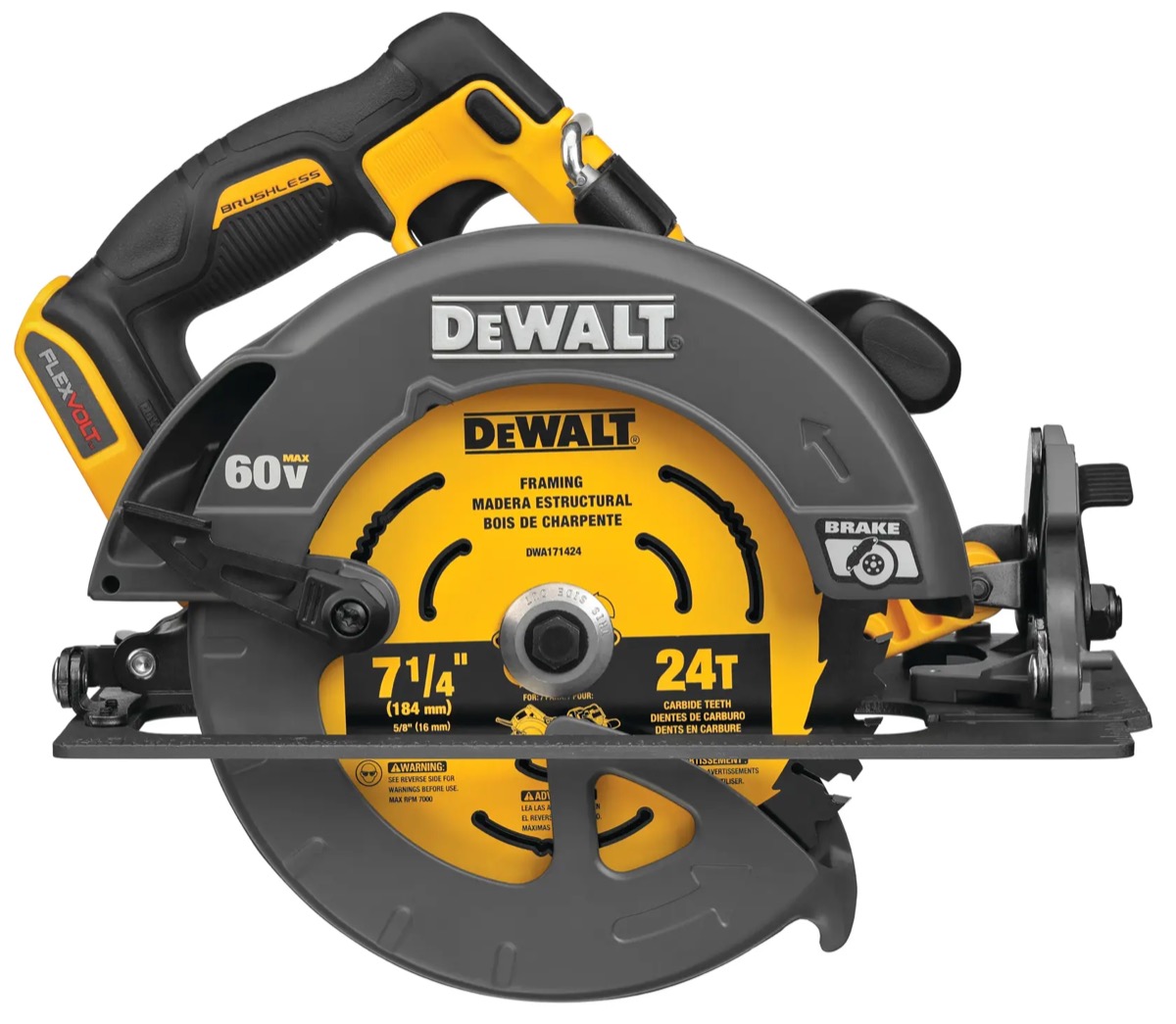
vs
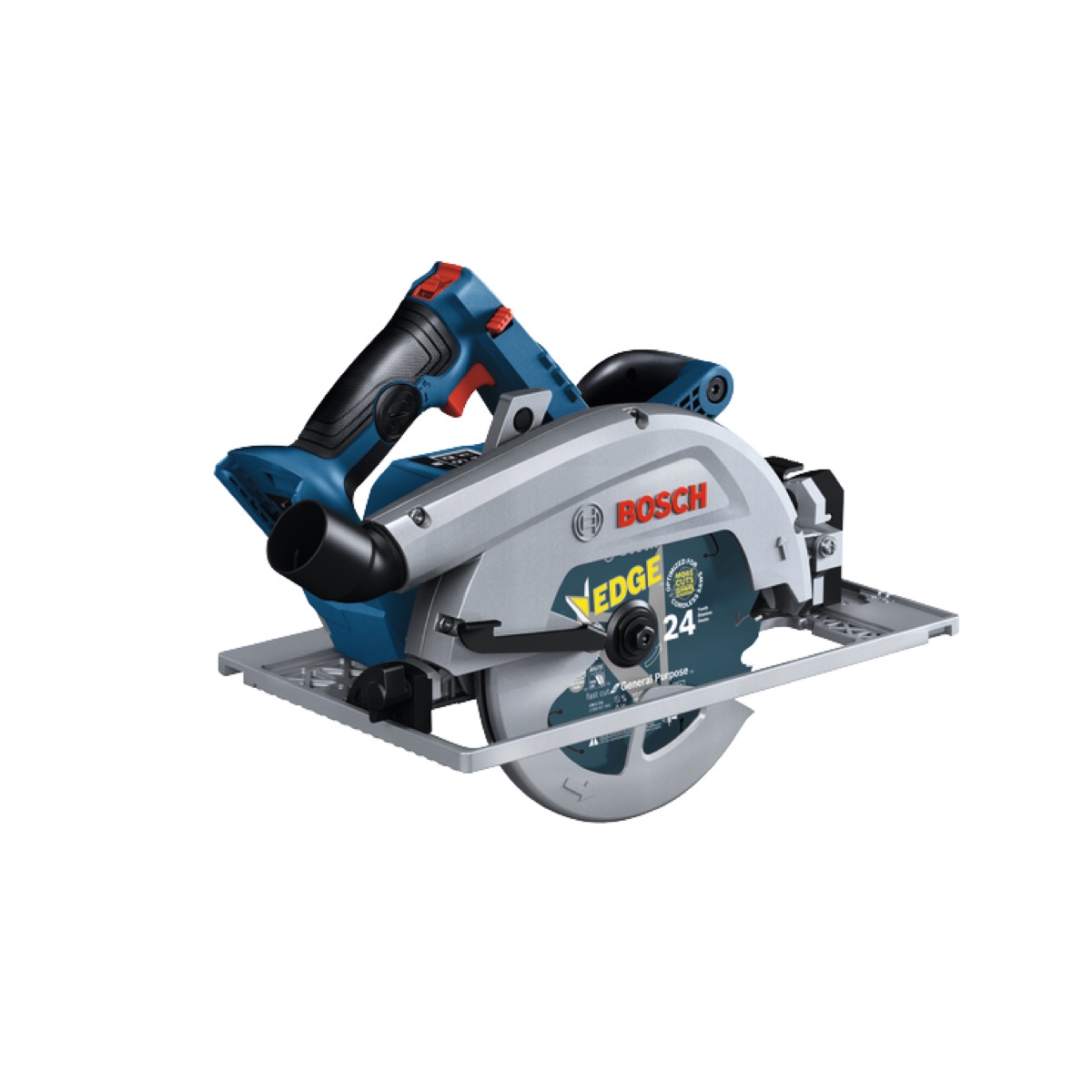
Quick take: The DeWalt FlexVolt DCS578 Circular Saw is lighter (8.2 vs 9.5 lbs); they live on different battery platforms (DeWalt 20V Max vs Bosch 18V), so the deciding factor is usually which batteries you already own.
| Spec | DeWalt FlexVolt DCS578 Circular Saw | Bosch 18V ProFactor GKS18V-25GC Circular Saw |
|---|---|---|
| Price (bare tool) | $249 | $249 |
| Kit Price | $549 | $449 |
| Rating | 4.7★ (1,976) | 4.9★ (9) |
| Category | Circular Saw | Circular Saw |
| Battery Platform | DeWalt 20V Max | Bosch 18V |
| Voltage | 60V | 18V |
| Motor | Brushless | Brushless |
| Weight | 8.2 lbs (bare) | 9.5 lbs (bare tool) |
| Released | 2020 | 2021 |
| Blade | 7-1/4 in | 7-1/4 in |
| No-Load Speed | 5,800 RPM | 2,500-5,000 RPM (6 settings) |
| Max Cut Depth (90°) | 2-9/16 in | 2-1/2 in |
| Bevel | 57° (stops at 22.5°/45°) | 50° (full 2x capacity across range) |
Pros & cons
DeWalt FlexVolt DCS578 Circular Saw
- ✓Rips LVL and wet PT lumber without bogging — owners consistently describe it as indistinguishable from a corded saw.
- ✓The 2-9/16 in cut depth clears 2x material at 45° where 18V-class saws come up short.
- ✓FlexVolt batteries back-feed the whole 20V Max ecosystem, so the big packs pull double duty.
- ✓Electric brake stops the blade fast enough to trust setting the saw down mid-rhythm.
- ✓The rafter hook and blade-left sightline get called out as framer-friendly details.
- ✓Deals routinely put the bare tool under $200, absurd value for the power class.
- ✗FlexVolt batteries are heavy and expensive — the saw is only as cordless as your budget for 9Ah+ packs.
- ✗At 8.2 lbs bare (more with the big pack) it out-weighs every 18V sidewinder here.
- ✗Overkill for trim and sheet-good work where a compact 20V saw is handier.
- ✗The kit at ~$549 is the most expensive way into this comparison.
- ✗No Tool Connect tracking on this model.
- ✗FlexVolt-only tools fragment the yellow lineup — this saw won't run on your regular 20V packs.
Bosch 18V ProFactor GKS18V-25GC Circular Saw
- ✓Track compatibility out of the box — the base rides Bosch and select third-party guide rails with no adapter, so it moonlights as a budget track saw.
- ✓Onboard HMI with six speed settings (2,500-5,000 RPM) lets you slow the blade for plastics, laminates, and splinter-prone sheet goods — almost no rival sidewinder offers this.
- ✓Eco mode extends runtime up to 30% for trim days when you don't need full power.
- ✓Maintains full 2x cutting capacity across the entire 0-50° bevel range — many saws lose depth fast once tilted.
- ✓BiTurbo brushless motor with a CORE18V 8Ah pack delivers genuinely corded-class power in testing.
- ✓One-touch depth adjustment is quick and accurate with one hand.
- ✓360° pivoting dust port hooks to a vacuum in any orientation — great for indoor remodel work.
- ✓Owners rate it 4.9/5 at Acme Tools, praising smooth, accurate cuts.
- ✗At 9.5 lbs bare it's one of the heaviest single-battery 18V sidewinders — fatiguing for all-day overhead or rafter work.
- ✗No rafter hook — a baffling omission on a saw aimed at pros.
- ✗No LED cutline light either, so you're relying on the notch in dim interiors.
- ✗Needs CORE18V high-power (8Ah ProFactor) batteries to hit rated performance — older slim Bosch packs noticeably choke it, and ProFactor packs are expensive.
- ✗5,000 RPM top speed trails the 6,000 RPM class leaders, costing some cut speed in framing lumber.
- ✗Bosch's 18V ecosystem is smaller in North America than DeWalt/Milwaukee/Makita, so platform buy-in is a bigger bet.
- ✗Bluetooth connectivity requires a separately-sold module even though the saw is marketed as 'Connected-Ready'.
- ✗Bare-tool street price has crept from $199 at launch to $249-299, and the 8Ah kit runs about $449.