Flex 24V FX2271 Reciprocating Saw vs Milwaukee M18 Fuel Sawzall 2821
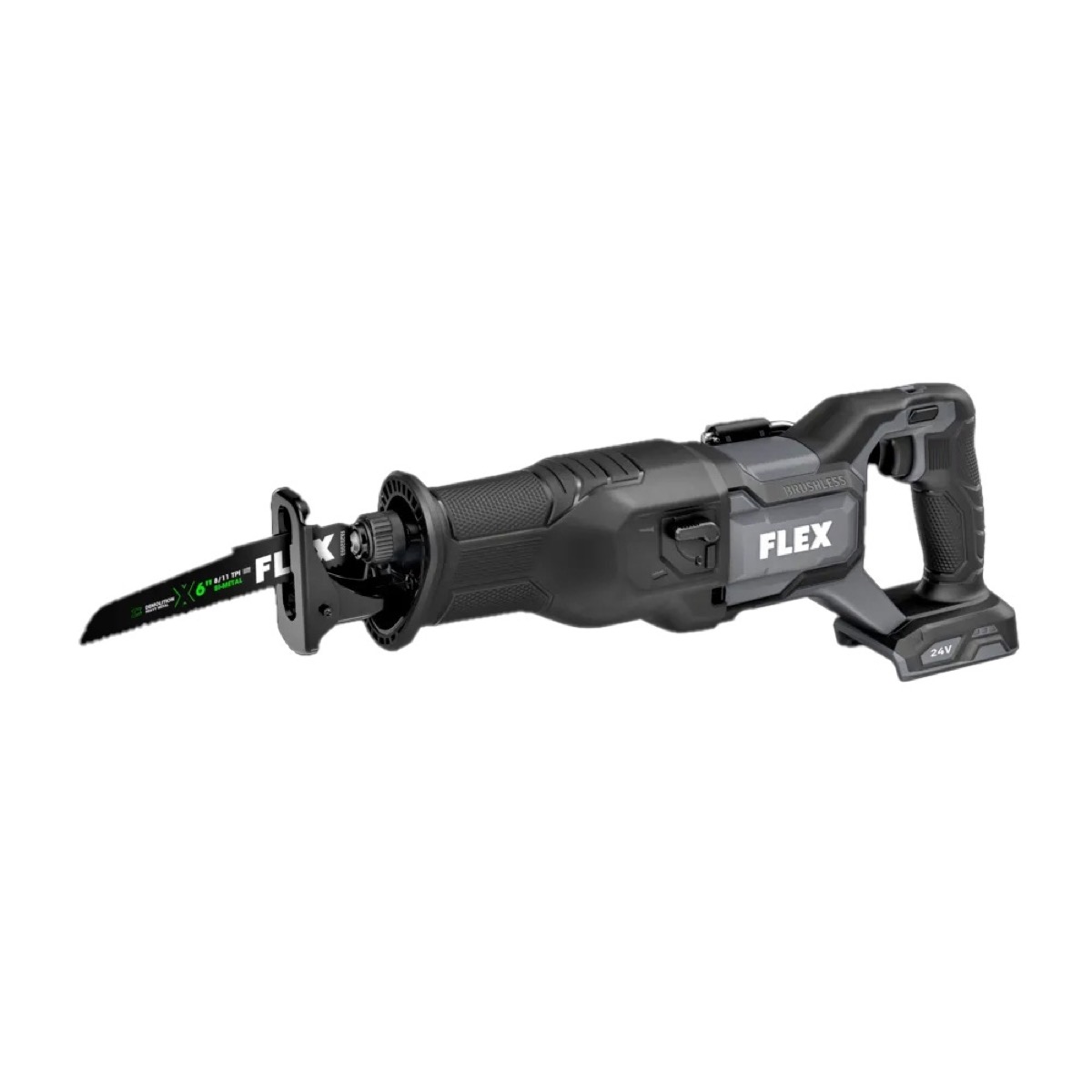
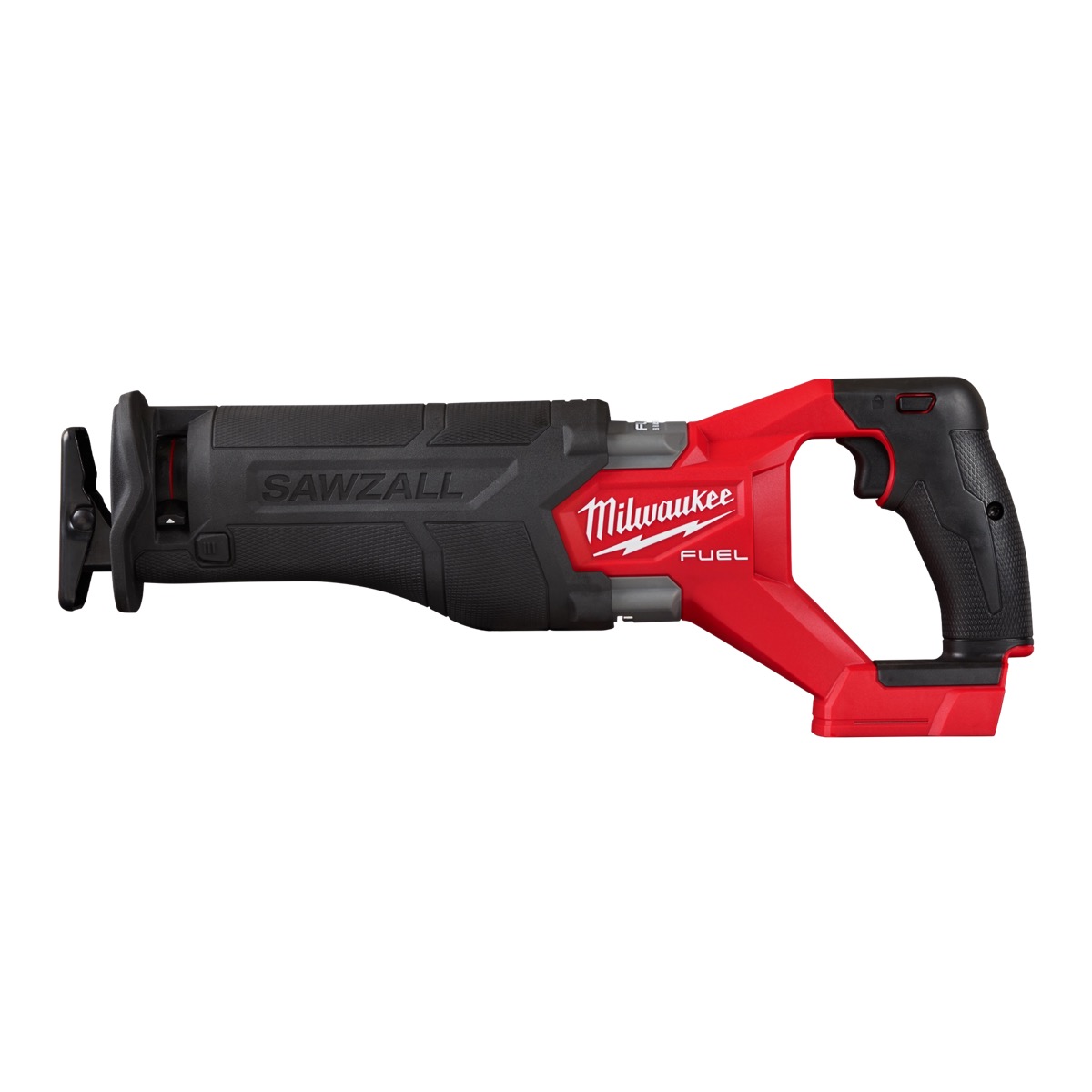
Quick take: The Milwaukee M18 Fuel Sawzall 2821 costs $20 less bare; the Milwaukee M18 Fuel Sawzall 2821 is lighter (6.8 vs 9.5 lbs); they live on different battery platforms (Flex 24V vs Milwaukee M18), so the deciding factor is usually which batteries you already own.
| Spec | Flex 24V FX2271 Reciprocating Saw | Milwaukee M18 Fuel Sawzall 2821 |
|---|---|---|
| Price (bare tool) | $219 | $199 |
| Kit Price | $249 | $299 |
| Rating | — | 4.8★ (1,884) |
| Category | Reciprocating Saw | Reciprocating Saw |
| Battery Platform | Flex 24V | Milwaukee M18 |
| Voltage | 24V | 18V |
| Motor | Brushless | Brushless |
| Weight | 9.5 lbs (with 5.0Ah battery) | 6.8 lbs (bare) |
| Released | 2021 | 2020 |
| Stroke Length | 1-1/4 in | 1-1/4 in |
| Strokes/min | 0-3,000 SPM | 0-3,000 SPM |
| Blade Change | Keyless blade eject | Tool-free |
Pros & cons
Flex 24V FX2271 Reciprocating Saw
- ✓Class-leading cutting speed — Bob Vila's head-to-head test found it sliced wood, metal, and plastic faster than any of the seven saws tested.
- ✓Long 1-1/4 in stroke plus selectable orbital action cuts soft material up to 40% faster when you flip the switch.
- ✓Vibration suppression genuinely works — reviewers report very little buzz reaching your hands, which improves control on long demo cuts.
- ✓Keyless blade eject drops hot blades without touching them — no burned fingers on metal-cutting days.
- ✓Strong runtime: Flex rates it at roughly 50 cuts through 4x4 lumber on a single 5.0Ah pack.
- ✓Undercuts premium rivals by $50-100 — $219 bare / $249 kit with a 5.0Ah battery and 160W rapid charger.
- ✓Rafter hook and bright LED worklight are standard equipment.
- ✓5-year warranty with registration (3-year without) beats most of the class.
- ✗Heavy — about 9.5 lbs with a 5.0Ah pack, and closer to 10 lbs with larger batteries; it takes more upper-body strength than compact saws.
- ✗Shaft-mounted blade clamp is fussier to actuate than the side-grip levers on Milwaukee and DeWalt saws.
- ✗No electronic speed/mode selection — just the trigger and the orbital switch.
- ✗Flex 24V is a smaller ecosystem sold mainly through Lowe's and independent dealers, so platform buy-in is a bigger bet than DeWalt/Milwaukee.
- ✗Design dates to Flex's 2021 US launch with no refresh since — no one-key-style tracking or advanced electronics.
- ✗No electric brake — the blade coasts after trigger release.
- ✗Major retailer pages (Lowe's) don't surface a large public review base, so long-term owner data is thinner than for legacy brands.
- ✗Kit ships with only two blades and a soft bag — no hard case option.
Milwaukee M18 Fuel Sawzall 2821
- ✓Cuts at genuinely corded speed — the 'fastest in class' marketing holds up in side-by-side owner tests against DeWalt and Makita.
- ✓Nearly a pound lighter than the Gen 1 while gaining speed, which overhead demo users notice immediately.
- ✓The anti-corrosion tool-free blade clamp survives wet cast-iron and drain work that rusts other clamps shut.
- ✓Adjustable shoe extends blade life by letting you use fresh teeth sections.
- ✓Sawzall blades and parts are available literally everywhere, and a spare M18 battery is always around on a red crew.
- ✓Metal-reinforced battery rails fix the cracked-rail failure mode of earlier M18 saws.
- ✓The rafter hook is stout enough to actually trust on a ladder, not the decorative wire loop rivals fit.
- ✗No orbital action — aggressive wood demo is measurably slower than the 2822 Super Sawzall or orbital rivals.
- ✗Vibration control trails the Super Sawzall and Makita's XGT saw; long sessions leave your hands buzzing.
- ✗MSRP is $249 and street price hovers around $199 bare — a premium over comparable spec sheets.
- ✗It eats batteries fast under heavy load; owners recommend nothing smaller than a 5.0Ah High Output pack.
- ✗No variable-speed dial, only trigger control, which some finish-demo users miss.
- ✗Milwaukee sells four different M18 recip saws and the naming (Sawzall, Super Sawzall, Hackzall) confuses first-time buyers.